Succession Debate Intensifies as Georgian Orthodox Church Faces Structural Turning Point
Potential leadership change expected to reshape governance, influence, and internal balance within the institution
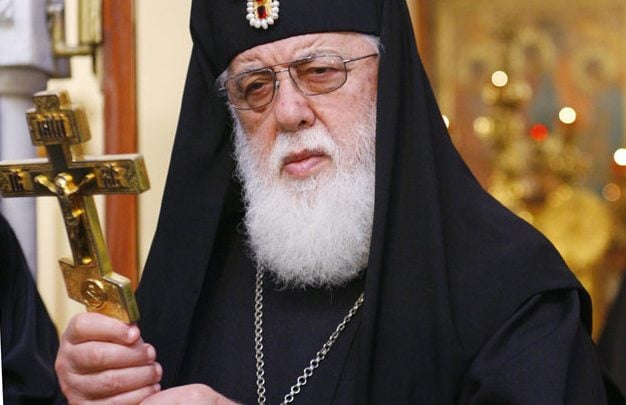
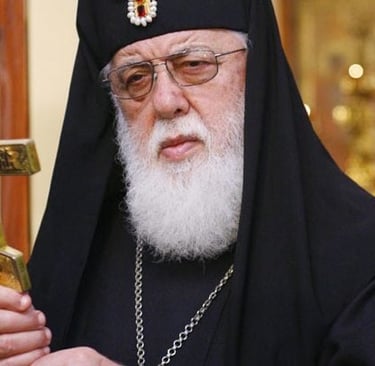
Two weeks after the death of Catholicos-Patriarch Ilia II, Georgia has entered a period of intense public and institutional debate surrounding his succession. While many voices caution against ჩარევა [chareva] (interference) in the process, discussions about potential candidates have become widespread in a country where Orthodox Christianity plays a central societal role and where the Church maintains significant გავლენა [gavlena] (influence) across political and social spheres.
The Patriarch’s passing comes at a time when the relationship between Church and state has been under scrutiny. Over recent years, the ruling Georgian Dream party has demonstrated a tendency to incorporate religious narratives into governance, raising concerns about increasing ურთიერთდაკავშირება [urtiertdakavshireba] (interconnection) between institutional religion and political authority. This context has heightened the importance of the succession process beyond purely ecclesiastical boundaries.
Under the Church’s governing statute adopted in 1995, the new Patriarch is elected by the Holy Synod through a formal არჩევნები [archevnebi] (election) process involving three nominated candidates. The vote must take place no earlier than 40 days and no later than two months after the Patriarch’s death, meaning a successor must be chosen by May 17. A candidate must receive more than half of the votes—at least 20 out of 39—to secure leadership.
Eligibility requirements specify that the Patriarch must be of Georgian nationality, aged between 40 and 70, possess theological education, and have experience in Church governance. However, some criteria, particularly regarding theological qualifications, remain subject to ინტერპრეტაცია [interpretatsia] (interpretation), contributing to uncertainty about who may ultimately qualify.
Among the most prominent potential successors is Metropolitan Shio, currently serving as Patriarchal Locum Tenens. His position has elevated his public profile, and some observers attribute recent Church positions to his leadership. Nevertheless, analysts suggest that his მხარდაჭერა [mkhardachera] (support) within the Holy Synod may not yet be sufficient to guarantee election.
Another significant figure is Metropolitan Isaiah, whose public visibility has increased in recent days despite a previously private life focused on diocesan service. His background, including his actions during periods of military conflict, has contributed to a reputation associated with humility and resilience. However, questions regarding formal theological education could affect his candidacy.
Other potential candidates include Metropolitan Iobi and Metropolitan Daniel, both considered relatively moderate figures within the Church. Their potential support bases within the Synod reflect broader divisions among clergy regarding the future direction of Church leadership. Issues surrounding eligibility criteria, including age limits, may also play a decisive role in determining which candidates remain viable.
External actors have also shown interest in the succession process. A statement from Russian intelligence accused Ecumenical Patriarch Bartholomew of interference, highlighting the geopolitical dimension of what might otherwise be considered an internal religious matter. These developments underscore the broader სტრატეგიული [strategiuli] (strategic) significance of the leadership transition.
Beyond individual კანდიდატები [kandidatebi] (candidates), analysts emphasize that structural changes within the Church are likely regardless of who is elected. The prolonged leadership of Ilia II contributed to a highly centralized system, where decision-making authority was concentrated at the top. Experts now anticipate a shift toward დეცენტრალიზაცია [decentralizatsia] (decentralization), with a more active role for the Holy Synod and individual hierarchs.
According to theologian Shota Kintsurashvili, the Church faces accumulated challenges stemming from years of limited institutional activity. He notes that several dioceses remain without bishops and that Synod meetings were infrequent during the Patriarch’s declining health, resulting in a degree of institutional სტაგნაცია [stagnatsia] (stagnation).
“For 8 to 10 years, a whole range of challenges has accumulated within the Orthodox Church,” says Kintsurashvili pointing to internal demand for renewal and revitalization of spiritual life. He highlights the need for the next Patriarch to ensure institutional stability while maintaining a degree of independence from state structures.
Kintsurashvili also references controversies that have raised questions about that independence, including reports that state security services monitored senior clergy. Additionally, he notes public dissatisfaction with what he describes as silence from the Church during government crackdowns, as well as a perceived alignment in messaging between Church authorities and the ruling party.
The succession process is therefore taking place against a backdrop of both internal reform pressures and external პოლიტიკური [politikuri] (political) dynamics. Observers suggest that the outcome will not only determine leadership but also shape the Church’s governance model and its relationship with broader society.
As the Holy Synod prepares to convene, expectations are growing that its members will take on a more active role in institutional decision-making. The departure of a long-standing leader has created conditions for a redistribution of authority and a potential transformation of how the Church functions in practice.
In this evolving პროცესი [procesi] (process), the selection of a new Patriarch represents not only a change in leadership but a pivotal moment in redefining the structure, influence, and future direction of one of Georgia’s most trusted institutions.
For requests or suggestions: pr@georgianinstitute.com
Courses Grammar Vocabulary
Culture
Podcasts About Us
Learn the official language of Georgia in 30 days thanks to the most complete grammar, vocabulary and culture course available. Start speaking Georgian today!
© Copyright 2026 Georgian Institute
Come visit Georgia!