
Concerns Intensify Over Disappearance of Stray Dogs in Georgia
Activists question transparency and relocation practices under newly expanded population control program
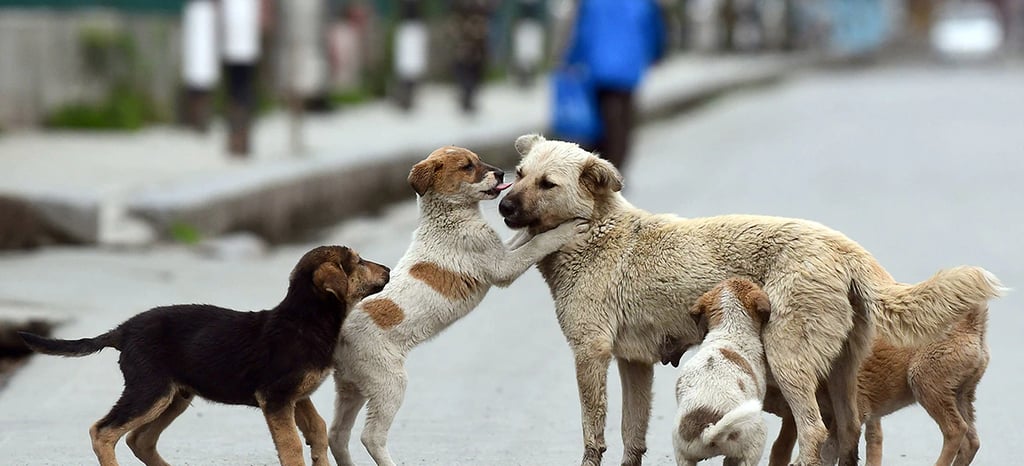
Public concern has grown across Georgia amid reports of missing stray dogs linked to state-led ვეტერინარული [veterinaruli] (veterinary) operations aimed at managing the growing population of homeless animals. Authorities maintain that the animals are being temporarily transferred for treatment, while activists argue that the process lacks transparency and accountability.
Initial alarms were raised in Zugdidi, where dozens of dogs were collected by the National Food Agency as part of a newly introduced program. Officials stated that the animals were moved to a shelter in Kutaisi for procedures related to სტერილიზაცია [sterilizatsia] (sterilization) and vaccination. However, activists reported that some of the dogs had already undergone such treatments prior to their removal.
The issue escalated when residents in Gori reported visible smoke rising from a state shelter, leading to fears that animals had been cremated. These claims were strongly denied by authorities, who described the allegations as unfounded and misleading. The agency stated that the facility’s incinerator is used exclusively for medical waste and deceased animals resulting from veterinary care, emphasizing adherence to პრევენცია [preventsia] (prevention) protocols.
According to official data, tens of thousands of stray dogs and cats are present across Georgia, making population control a longstanding challenge. Measures such as vaccination and sterilization have been widely implemented as part of broader კონტროლი [kontroli] (control) strategies. In 2025 alone, the National Food Agency reported treating 9,136 animals under a pilot initiative.
The 2026 state program allocates over 4.6 million GEL for identifying, sterilizing, castrating, and vaccinating homeless animals. A key provision within the decree restricts the return of dogs to areas near schools, hospitals, markets, and recreational spaces. While authorities describe this as a safety measure, critics highlight that the lack of clearly defined relocation criteria introduces uncertainty into the განთავსება [gantavseba] (placement) process.
Concerns deepened after reports indicated that animals were being released in locations distant from where they were originally collected. In one case, dogs taken from Zugdidi were reportedly returned near a highway rather than within the town itself. Animal rights groups warned that such relocation practices could expose animals to harm.
Footage published by the organization Zero Strays Georgia showed residents attempting to retrieve animals from sparsely populated areas. The group described these releases as harmful, noting that dogs depend on familiar territories for survival. The agency has stated that remaining animals will be returned after necessary procedures but has not provided precise information regarding their destinations.
Activists have also pointed out that removals have occurred outside areas officially covered by the pilot program, suggesting inconsistencies in implementation. Eyewitness accounts, including video recordings of dogs confined in transport cages, further contributed to concerns about the treatment and timing of გადაყვანა [gadakvana] (transfer) operations.
In response, thousands of citizens and more than 40 animal rights organizations issued a joint statement calling for animals to be returned to their original habitats and for caretakers to be notified in advance. They also urged authorities to conduct revaccination on-site rather than relocating animals unnecessarily, citing risks associated with displacement.
Addressing criticism, Tengiz Chaligava, deputy head of the Animal Health Department, stated that future transfers will be announced in advance through social media. This measure is intended to improve public awareness and ensure transparency regarding where animals will undergo vaccination, sterilization, and other procedures within the evolving პროგრამა [programa] (program).
For requests or suggestions: pr@georgianinstitute.com

Courses Grammar Vocabulary
Culture
Podcasts About Us
Learn the official language of Georgia in 30 days thanks to the most complete grammar, vocabulary and culture course available. Start speaking Georgian today!
© Copyright 2026 Georgian Institute
Come visit Georgia!